






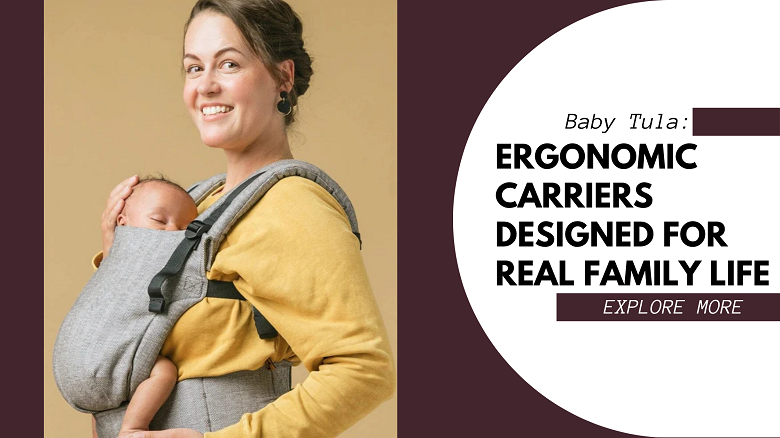
Baby Tula creates soft-structured baby carriers, ring slings, and accessories that help parents keep their little ones close while staying active. Founded by parents who wanted practical tools that also felt personal, the brand focuses on ergonomic design, inclusive sizing, and distinctive prints. This guide covers the main Baby Tula carriers, how they differ, what to consider when choosing one, and answers to common questions.
The Story Behind Baby Tula
Baby Tula began when founders Mike and Ula became parents and discovered the convenience of babywearing. They tried many options and eventually designed carriers that supported everyday life—whether running errands or traveling. Since 2009 the company has grown into a global brand based in San Diego, offering products that prioritize comfort for both caregiver and child, expressive fabrics, and a wide range of body types. Carriers are made to feel like more than tools: they support physical comfort and the emotional connection of keeping a baby close.
Main Types of Baby Tula Carriers
Baby Tula offers several soft-structured carriers (also called buckle carriers) plus ring slings and lighter options. All soft-structured models aim for an ergonomic “M” position that supports healthy hip development and are acknowledged by the International Hip Dysplasia Institute for appropriate models.
Free-to-Grow Carrier
The Free-to-Grow is designed for newborns through early toddlers. It adjusts in both width and height so one carrier can cover a wide range without a separate infant insert. Weight range is typically 7–45 pounds. Positions include front-facing in (heart-to-heart) and back carry once baby is ready. Its minimal design gives a snug, wrap-like feel while remaining easy to put on with buckles. It is available in cotton, linen, mesh (Coast), and other fabrics.
Explore Carrier
The Explore shares the same adjustable seat and weight range (7–45 pounds) as the Free-to-Grow but adds a forward-facing-out position. It includes a padded support pillow that can provide head and neck support for younger babies or extra panel height for taller ones. Positions: front-facing in, forward-facing out (when baby has sufficient head control), and back carry. This makes it the most versatile soft-structured option for families who want the outward-facing view. Fabrics include cotton, linen, mesh, and limited woven styles.
Standard and Toddler Carriers
The Standard carrier is the original soft-structured model, suited for babies roughly 15–45 pounds (or 7–15 pounds with a separate infant insert). It offers front-facing in and back carry. The Toddler carrier is taller and wider for children 25–60 pounds and is not intended for use with an infant insert. Both provide the same ergonomic seat and supportive waistband and straps that characterize Tula carriers.
Lite Compact Travel Carrier and Ring Slings
The Lite is a lightweight option that packs into its own hip pouch, useful for travel or as a secondary carrier. Ring slings, made from the same woven fabrics as many Tula wraps, offer a quick, adjustable alternative for front and hip carries from newborn stages onward. They come in two size ranges (S/M and L/XL) that fit most wearers.
Coast versions of several models use breathable mesh panels suited for warmer weather or active use.
Free-to-Grow vs Explore: Key Differences
Both carriers start at 7 pounds without an insert, adjust for growing babies, include a detachable hood, and fit a broad range of caregiver body types. The primary difference is the forward-facing-out option on the Explore, along with its adjustable head-support pillow. The Free-to-Grow emphasizes a simpler, more minimal panel that many find molds closely to the baby. Families who value outward-facing will lean toward the Explore; those who prefer maximum simplicity and a snug inward carry often choose the Free-to-Grow. Many parents eventually own both for different situations.
Other Baby Tula Products
Beyond carriers, the brand offers woven wraps, wrap-conversion carriers (buckle carriers made partially or fully from woven fabric), bamboo-viscose blankets in various sizes, infant inserts for Standard carriers, mini toy carriers for older siblings, and kids’ backpacks that continue the distinctive aesthetic. Signature collections feature handwoven or limited textiles.
How to Choose the Right Baby Tula Carrier
Consider these practical factors:
- Baby’s current size and growth — Free-to-Grow or Explore for newborns through toddlers; Standard or Toddler for older children.
- Preferred positions — Need forward-facing? Choose Explore. Prefer simplicity? Free-to-Grow or Standard.
- Climate and activity — Mesh Coast fabrics for heat or high activity; cotton or linen for everyday use.
- Caregiver fit — All models adjust for a wide range of body types; waist extenders are available.
- Portability — Lite or a ring sling for travel and quick ups.
- Style — Prints range from subtle to bold so the carrier can feel personal.
Official sizing and safety guidance should always be followed. When in doubt, the brand’s product quiz and instruction videos provide model-specific details.
Safety and Care Notes
Use carriers only within the stated weight and developmental guidelines. Ensure baby’s airways remain clear, the seat supports an ergonomic position, and the carrier is adjusted snugly. Machine-wash guidelines vary by fabric (generally cold, delicate cycle, mild detergent, air dry); always check the specific care label. Carriers carry a limited one-year warranty against manufacturing defects.
Frequently Asked Questions
Do Free-to-Grow and Explore carriers need an infant insert?
No. Both are designed for use from approximately 7 pounds without a separate insert.
When can a baby face outward in the Explore?
Once the baby has sufficient head and neck control and meets the weight and developmental criteria outlined in the product instructions (typically later infancy).
What is the weight limit for most soft-structured Tula carriers?
Free-to-Grow and Explore: 7–45 pounds. Standard: 15–45 pounds (lower with insert). Toddler: 25–60 pounds.
Are Tula carriers suitable for plus-size or petite caregivers?
Yes. The waistbands and straps adjust across a wide range, and extenders are available.
Can I use a Tula carrier for back carry with a newborn?
Back carry is generally recommended only once the baby has good head control and meets age/weight guidance for that position. Front carry is the starting position for young infants.
Conclusion
Baby Tula focuses on ergonomic support, adjustable fit from newborn stages through the toddler years, and designs that reflect individual style. Whether you need the simplicity of the Free-to-Grow, the added forward-facing option of the Explore, a compact Lite for travel, or a ring sling for quick carries, the range covers most family needs. Review the specific weight ranges, positions, and care instructions for the model that matches your baby’s stage and your daily routines. For the full selection, current prints, and detailed guidance, visit the official site at https://babytula.com/.