








Finding a good protein source can feel overwhelming. Shelves and websites are packed with options labelled “best protein powder,” “best vegan protein powder,” “best collagen powder,” or “best protein for weight loss.” The real question is simpler: what actually makes protein “good” for your body and goals?
This guide walks through the basics of quality protein—from whole foods to powders—so you can make clearer choices without the hype. You’ll learn the difference between protein types, what to look for on a label, how protein fits into weight management or muscle support, and practical ways to add more of it to everyday meals.
Why Protein Quality Matters
Protein supplies amino acids, the building blocks your body uses for muscle repair, immune function, enzymes, and satiety. Not all protein sources deliver the same mix of amino acids or the same digestibility. A “good” protein is one that:
- Provides a useful amount of complete or complementary amino acids
- Fits your dietary needs (dairy-free, plant-based, low sugar, etc.)
- Digests comfortably for you
- Supports your actual goals without unnecessary extras
Whole foods remain the foundation. Supplements can fill gaps when appetite is low, schedules are busy, or specific targets (higher daily protein, post-workout recovery) are hard to meet with food alone.
Types of Protein: Understanding Your Options
Animal-Based Proteins
Whey (from milk) is popular for muscle support because it is complete and digests relatively quickly. Whey isolate has most of the lactose and fat removed, which some people prefer. Casein digests more slowly. Collagen peptides are another common choice, often taken for skin, joints, or general protein contribution, though collagen is not a complete protein on its own.
Plant-Based Proteins
Pea, rice, hemp, and blended plant proteins have improved a lot in taste and texture. A well-formulated plant blend can supply all essential amino acids. Many people choose these for digestive comfort, ethical reasons, or because they want dairy-free and lactose-free options. Look for products that are transparent about the protein source and any added fibre or digestive enzymes.
What “Best” Usually Means in Practice
Phrases such as “best protein powder for women,” “best protein powder for weight loss,” or “best tasting vegan protein powder” are highly personal. The best option for one person may be too sweet, too chalky, or too expensive for another. Focus on ingredients you recognise, protein per serving, and how the product fits your routine rather than chasing every “best of” list.
How to Choose a Good Protein Powder
When comparing powders, check these points:
- Protein amount and source – Aim for a meaningful dose per serving (often 15–25 g depending on the product). Note whether it is whey, isolate, plant blend, or collagen.
- Added ingredients – Prefer shorter ingredient lists. Watch for excessive added sugar, artificial sweeteners if you avoid them, or fillers. Fibre, probiotics, or vitamins can be useful if they align with your needs.
- Digestibility – Some people tolerate plant proteins or isolates better than concentrates. If you have a sensitive stomach, start with smaller servings.
- Taste and mixability – The “best tasting protein powder” is the one you will actually finish. Vanilla, chocolate, and neutral options tend to be most versatile for smoothies or mixing with water or plant milk.
- Dietary fit – Vegan, gluten-free, dairy-free, keto-friendly, or organic certifications matter if they match your requirements.
- Transparency – Clear labelling and third-party testing where available build confidence.
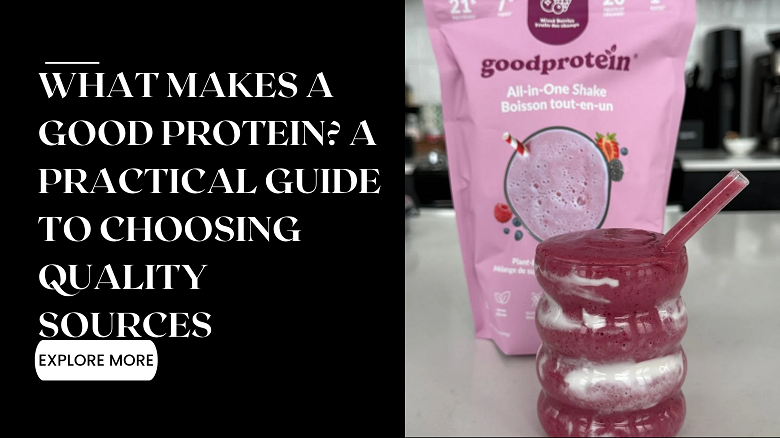
For readers in the USA and UK exploring plant-based options, Canadian brands such as those available at goodprotein.ca focus on all-in-one shakes that combine protein with fibre and other nutrients. Always verify shipping, ingredients, and suitability for your location.
High-Protein Foods That Deserve a Place on Your Plate
Supplements are convenient, but everyday foods deliver protein along with other nutrients. Useful options include:
- Greek yoghurt, cottage cheese, eggs, and fish
- Chicken, turkey, lean beef, or plant alternatives
- Lentils, chickpeas, beans, tofu, tempeh, and edamame
- Nuts, seeds, and nut butters (in moderation)
- Quinoa, oats, and higher-protein pastas
A high-protein, lower-calorie approach often emphasises lean or plant sources paired with vegetables and fibre. No single food is magic; consistency across the day matters more than any one meal.
Matching Protein to Common Goals
Weight management Higher protein intake can support fullness. Pair it with overall calorie awareness and movement. Meal-replacement style shakes can help on busy days but should not replace most meals long-term without professional guidance.
Muscle support Spread protein across meals and include resistance training. Both whey and well-formulated plant proteins can contribute. Timing around workouts is helpful for some people but total daily intake is usually more important.
Women’s needs Protein needs vary with age, activity, pregnancy, and menopause. There is no single “best protein powder for women.” Choose based on taste, digestion, and any specific requirements (for example, during breastfeeding—always check with a healthcare provider).
Digestive comfort or dietary restrictions Lactose-free, dairy-free, or plant-based options often work better for sensitive stomachs. Clear protein styles or lightly flavoured powders can be easier to drink plain.
Practical Tips for Using Protein Every Day
- Add a scoop to oatmeal, yoghurt, or smoothies.
- Keep a shaker bottle ready for post-workout or mid-afternoon use.
- Rotate flavours or sources so you do not get bored.
- Read labels for serving size—scoops vary.
- Store powders in a cool, dry place and use within the recommended period after opening.
Frequently Asked Questions
What is the best type of protein powder overall? There is no universal winner. Whey isolate suits many who tolerate dairy. Quality plant blends suit those who prefer dairy-free. Choose based on ingredients, taste, and how your body responds.
Can protein powder help with weight loss? It can support satiety as part of a balanced approach that includes calorie awareness and activity. It is not a fat-burning product on its own.
Is plant-based protein as effective as whey? Well-formulated plant blends that provide complete amino acids can support muscle maintenance and recovery for most people when total protein intake is adequate.
How much protein do I need? Needs vary by body weight, age, and activity level. Many active adults aim for a higher intake spread across the day. A registered dietitian can give personalised numbers.
Are collagen powders the same as protein powders? Collagen contributes protein and is popular for skin and joint support, but it is not a complete protein. It works best as a complement rather than a sole source.
Conclusion
A good protein is one that delivers usable amino acids, fits your dietary preferences, digests well, and supports your real-life goals—whether that is staying full between meals, recovering from training, or simply making nutrition more convenient. Start with whole-food sources, then add a powder if it genuinely helps you hit your targets consistently.
Focus on transparent ingredients, realistic taste expectations, and overall diet quality rather than chasing every “best of” claim. If you are exploring plant-based all-in-one options, you can learn more about available products and flavours at goodprotein.ca.
As with any supplement, individual results vary. When in doubt, speak with a healthcare professional or registered dietitian who understands your health history.