







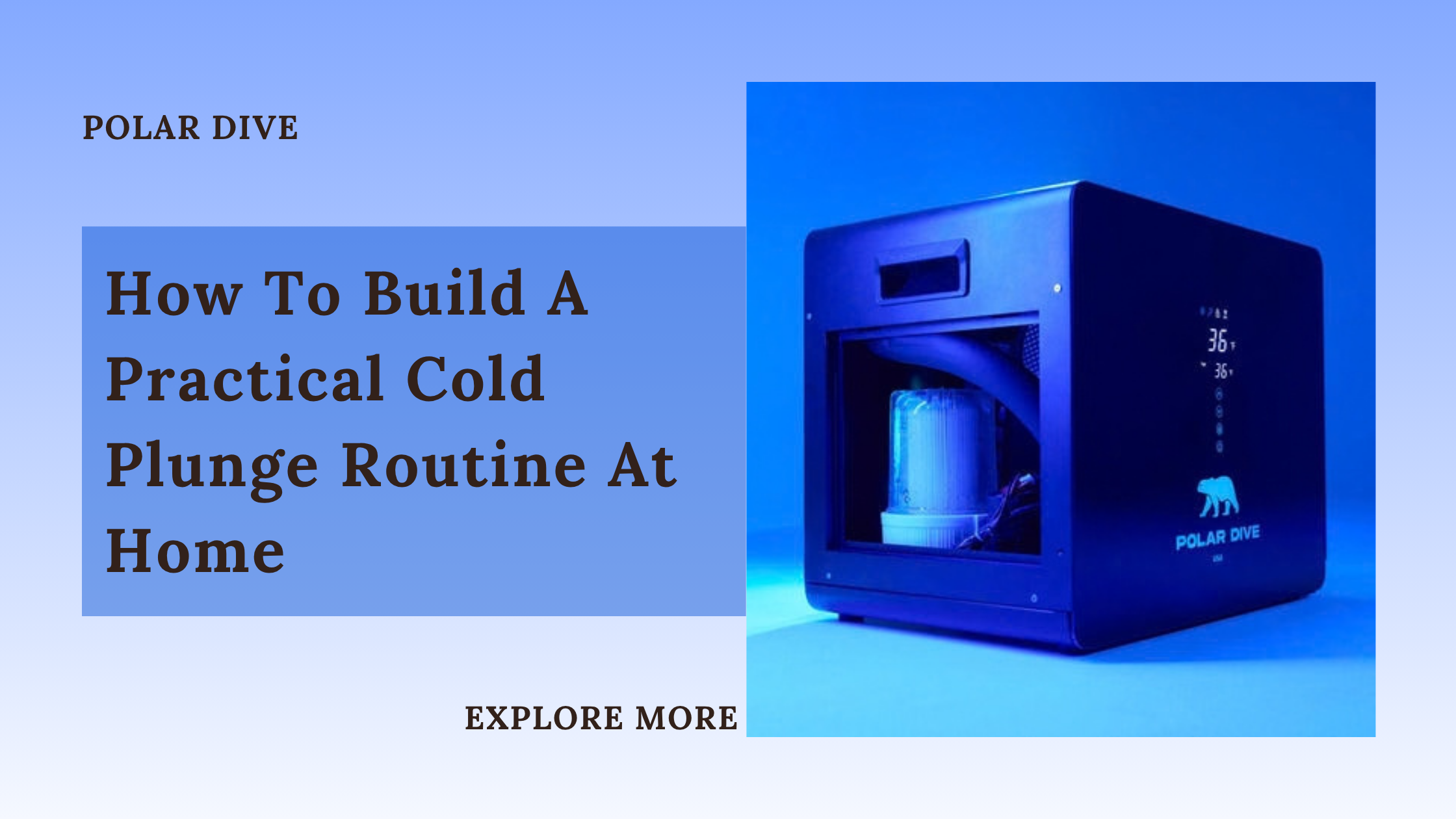
A cold plunge routine can be a simple way to add cold-water immersion to a structured wellness or recovery routine. The challenge is making the setup practical enough to use consistently. Choosing the right tub, managing water temperature, planning session length, and keeping the water clean all matter when creating a home cold plunge setup.
For people researching cold plunge tubs for home use, portability and temperature control can also be important considerations. Polar Dive USA offers several cold plunge systems designed around different spaces and preferences, including portable tubs, insulated models, water chillers, and maintenance accessories. Understanding what each part does can help you choose a setup that fits your routine rather than simply choosing equipment based on appearance or price.
Why a Cold Plunge Routine Matters
Cold-water immersion is often included in wellness and recovery routines because it provides a controlled exposure to cold water. However, consistency and sensible preparation are more important than making every session as intense as possible.
Before starting, consider:
- Your experience with cold-water exposure
- The temperature you can comfortably tolerate
- How much space you have available
- How often you realistically plan to use the tub
- Whether you want manual ice cooling or a dedicated chiller
A practical routine should be easy to repeat and simple to maintain.
How Polar Dive Fits a Home Cold Plunge Setup
Polar Dive USA focuses on home cold plunge systems designed to make cold-water immersion more accessible. Its current product range includes The Polar Dive, Polar Dive PRO, Polar Dive MAX, Water Chiller, and accessories and maintenance supplies.
The portable collection is particularly relevant for people who need flexibility. The company describes its portable tubs as compact and lightweight enough to move between locations, which can be useful for patios, home gyms, or limited-space setups.
Choosing the Right Polar Dive System
Different cold plunge users have different priorities, so comparing the available models is a useful first step.
The Polar Dive is the basic portable option and is designed for people looking for a straightforward cold plunge setup.
Polar Dive PRO adds an insulated pod design and is positioned as a more advanced portable option. The product page lists a 39°F cooling capability when paired with the appropriate chiller.
Polar Dive MAX is another option within the lineup for users looking for a more substantial setup and additional construction features.
Water Chiller is useful when you want more consistent temperature management without repeatedly purchasing and adding bags of ice. Polar Dive lists a 1/3 HP chiller with a 20-micron filtration system and temperature control capabilities.
Key Features to Consider
When comparing cold plunge equipment, look beyond the tub itself. A complete setup may involve several components.
Temperature Control
A dedicated chiller can make temperature management more convenient. Polar Dive’s chiller is listed as capable of cooling water to 39°F, while its product options also include different chiller configurations.
Filtration
Water maintenance is an important part of regular cold plunge use. The Polar Dive chiller uses 20-micron filtration and continuous water circulation according to the product information.
Portability
If your available space changes or you want to store the tub between sessions, a portable design can offer more flexibility than a permanent installation.
Accessories
Polar Dive also offers practical accessories such as cleaning kits, water cleanser and stabilizer, filters, thermometers, mats, and inflatable stairs. These items can help support regular maintenance and easier access.
Creating a Consistent Routine
A cold plunge is more useful as part of a manageable routine than as an occasional challenge. Start by selecting a schedule that fits your lifestyle.
For example, some people may prefer a morning session, while others may incorporate cold-water exposure into a post-training routine. Polar Dive’s chiller system also includes app-based features on compatible configurations for temperature control, scheduling, and tracking.
Temperature and session duration should be approached gradually. Polar Dive’s FAQ recommends short sessions of around three to eight minutes in water below 59°F, while also noting that individual tolerance varies.
If you have a medical condition or concerns about cold-water exposure, consult an appropriate healthcare professional before beginning.
Pricing and Practical Considerations
Polar Dive’s current website lists several cold plunge options at different price points, including portable tubs and separate chillers. Prices can change, so checking the official product page before making a purchasing decision is the most reliable approach.
Also consider the total setup cost rather than looking only at the tub price. A chiller, maintenance supplies, mat, thermometer, or other accessories may affect the overall investment.
Pros and Cons
Potential advantages:
- Portable options for flexible placement
- Dedicated chiller options
- Water filtration and circulation features
- Accessories for cleaning and maintenance
- Several tub models to compare
Potential considerations:
- Cold-water exposure requires gradual adaptation
- Regular water maintenance is necessary
- A chiller adds equipment and electricity considerations
- Available space should be checked before purchasing
Frequently Asked Questions
How cold should a cold plunge be?
There is no single temperature that works for everyone. Beginners should consider their tolerance and progress gradually rather than immediately choosing the coldest setting.
How long should a cold plunge session last?
Polar Dive recommends approximately three to eight minutes for water below 59°F, while noting that individual tolerance can vary.
Do I need a water chiller?
Not necessarily. A tub can be used with ice, but a dedicated chiller may provide more convenient and consistent temperature control.
How often should cold plunge water be changed?
Polar Dive recommends changing the water approximately once a week or every three to five sessions, depending on use.
Can a Polar Dive be used outdoors?
Polar Dive lists its chiller for indoor and outdoor use. Always follow the manufacturer’s setup and operating instructions for your specific equipment.
Conclusion
Building a cold plunge routine is about more than choosing a tub. Temperature control, portability, water maintenance, available space, and realistic session planning all contribute to a setup you can use consistently.
Polar Dive USA offers several cold plunge systems, chillers, and maintenance accessories that allow users to create different types of home setups. If you are researching cold plunge tubs for home use, compare the available models and supporting equipment carefully, then explore the official Polar Dive store for the latest product details and options.